Lucrezia's Milan and Bologna: Food, Art and Daytrips | The Voyage
Share
Lucrezia's Milan and Bologna: Food, Art and Daytrips
When Lucrezia Incanti described her Italy as the country's food and fashion spine, stretching from Milan to Bologna, we wanted to know how she would actually spend a long weekend in it. We asked her where to eat, what to skip, and why she thinks visitors are getting the food wrong.
Lucrezia splits her time between Milan and Emilia Romagna, with particular expertise around Parma and Bologna. The conversation below has been lightly edited for length and clarity.
A Sense of Northern Italy
We started broad. Her answer covered two cities and 250 kilometres of motorway between them.
Q. How would you describe your region to a friend?
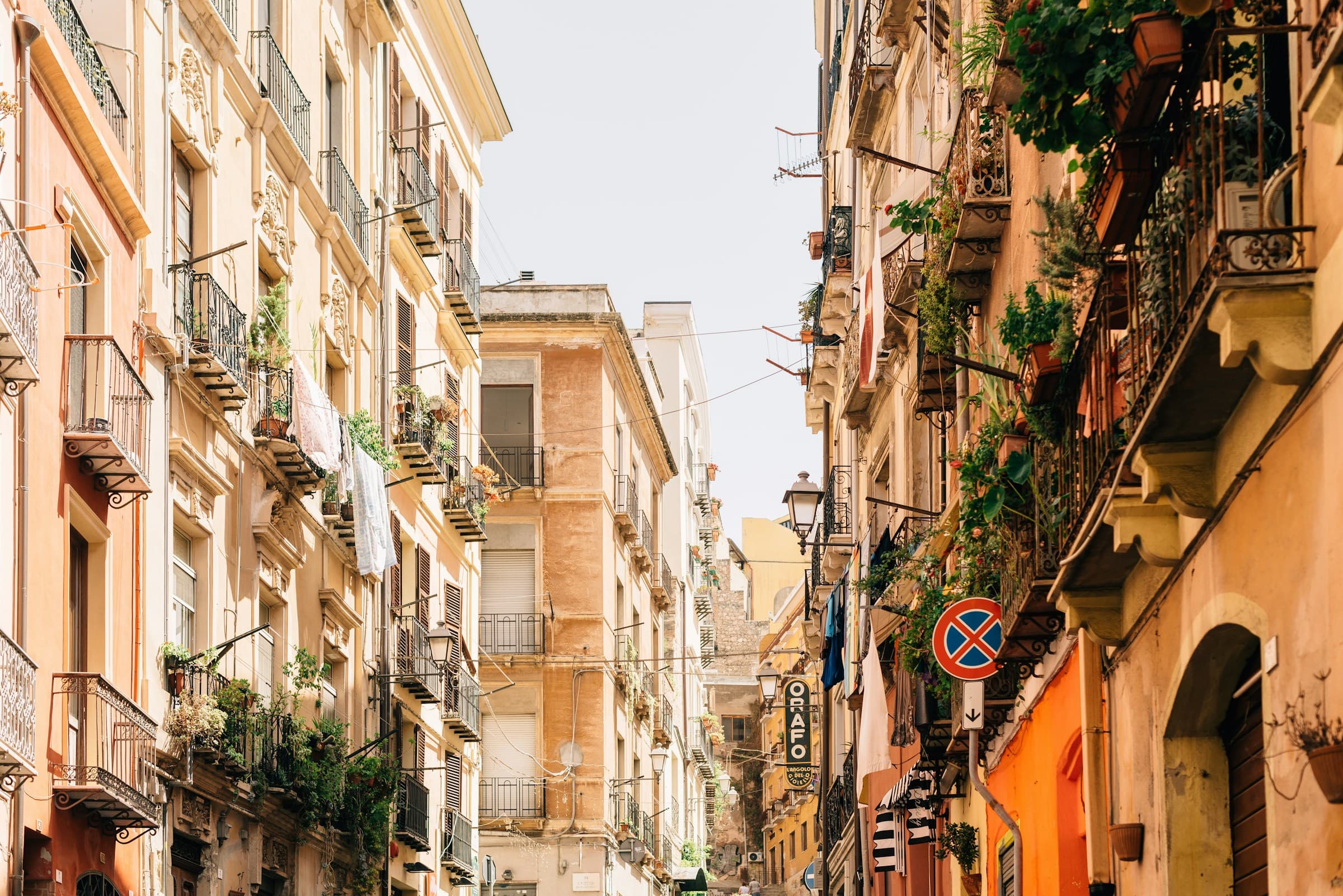
From historic squares to porticoes, this Northern Italy region is a playground for foodies and art and history lovers, stretching from the fashion capital of Milan to the food heartland of Bologna.
Q. One region, or two?
Two very different mornings, really. Milan moves quickly. Bologna eats slowly. They are both worth seeing, and they work best when you do them together.
Q. What surprises visitors most when they arrive?
That the north of Italy has a rhythm of its own. It is not Rome or Naples. It is colder in winter, faster in the cities, and it takes pride in being understated about food.
Q. And what should they know before they start planning?
That Milan and Bologna are only about an hour apart by train. You can do both in a weekend. The mistake is treating them as separate trips, when in fact they complement each other. Start in one, end in the other, and let the train do the work between them.
“
The bragging here is done at the table, not about the table.
Lucrezia IncantiLocal, Milan & Emilia Romagna
A Day in Milan
Her Milan follows the city's geography, with a strong preference for family-run trattorias over the postcard stops.
Q. If someone had a day in Milan, what would you tell them to do?
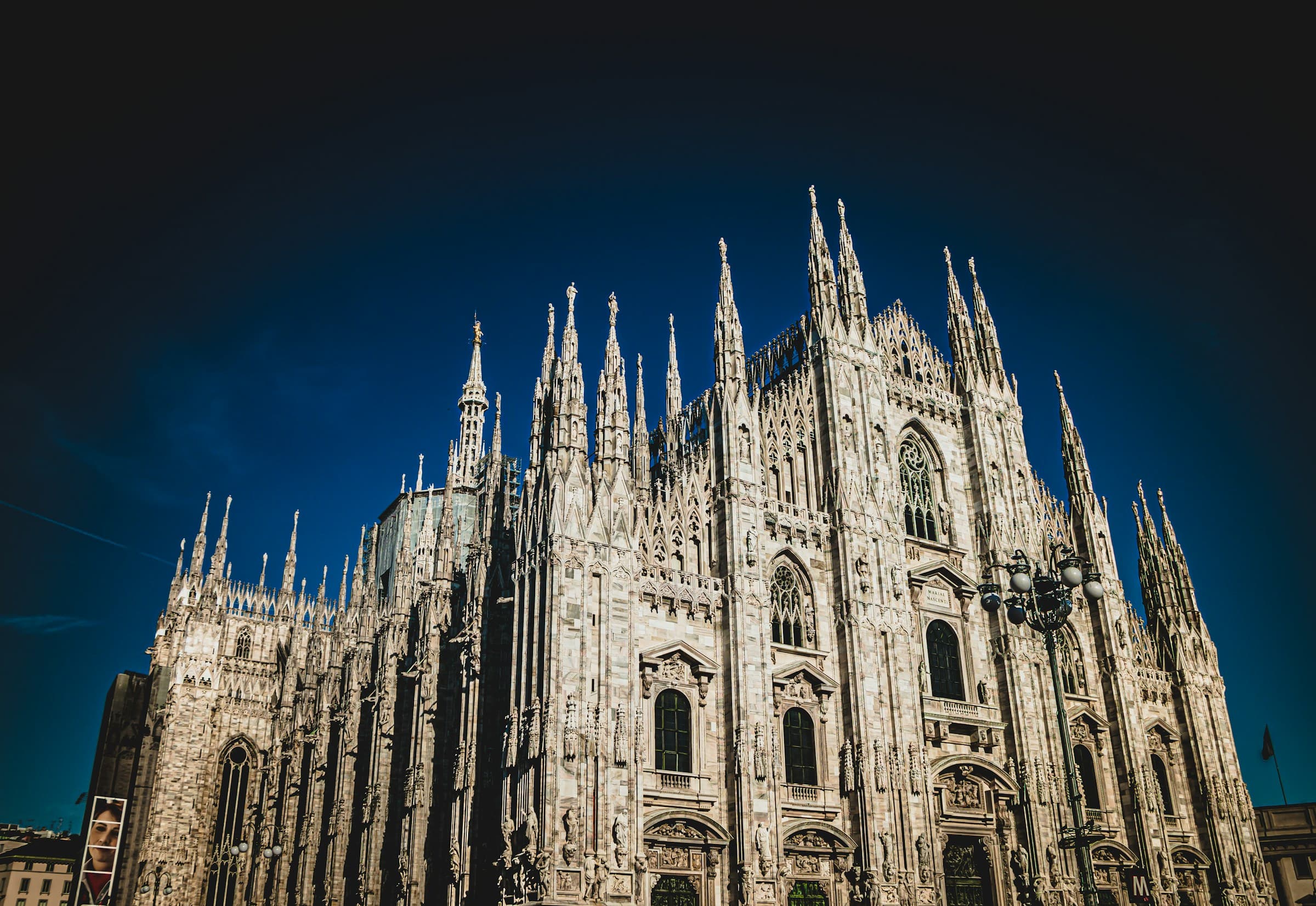
Explore the Brera district, visit Piazza del Duomo, during mass you can enter for free, try risotto and cotoletta alla milanese for lunch, visit Sforza Castle, and enjoy an aperitivo in the Navigli district.
Q. The free-entry-during-mass tip is a good one. Where else do people who live in Milan know to look?
Brera in the late afternoon, when the galleries empty out and the bars start filling up. The Navigli before dinner, when the light hits the water. Small things, but they change the shape of the day.
Q. Any place to specifically avoid?
I would not recommend eating in the Galleria Vittorio Emanuele. It surely is an architectural masterpiece, but inside it's just luxury shops and overpriced fine restaurants. If you want to experience the real Milanese food culture, I would recommend a family-owned trattoria or small businesses.
A Day in Bologna
In Bologna, Lucrezia's day is structured around food, porticoes and towers, in that order.
Q. And a day in Bologna?
Walk through the Quadrilatero market and visit the Garisenda and Asinelli towers. Enjoy tagliatelle al ragu and tortellini for lunch. Stroll along the UNESCO-listed porticoes, visit Basilica di San Petronio, and end the day with a glass of Lambrusco and a charcuterie board with Parmigiano Reggiano and Prosciutto.
Q. Any alternatives if someone wants to go further?
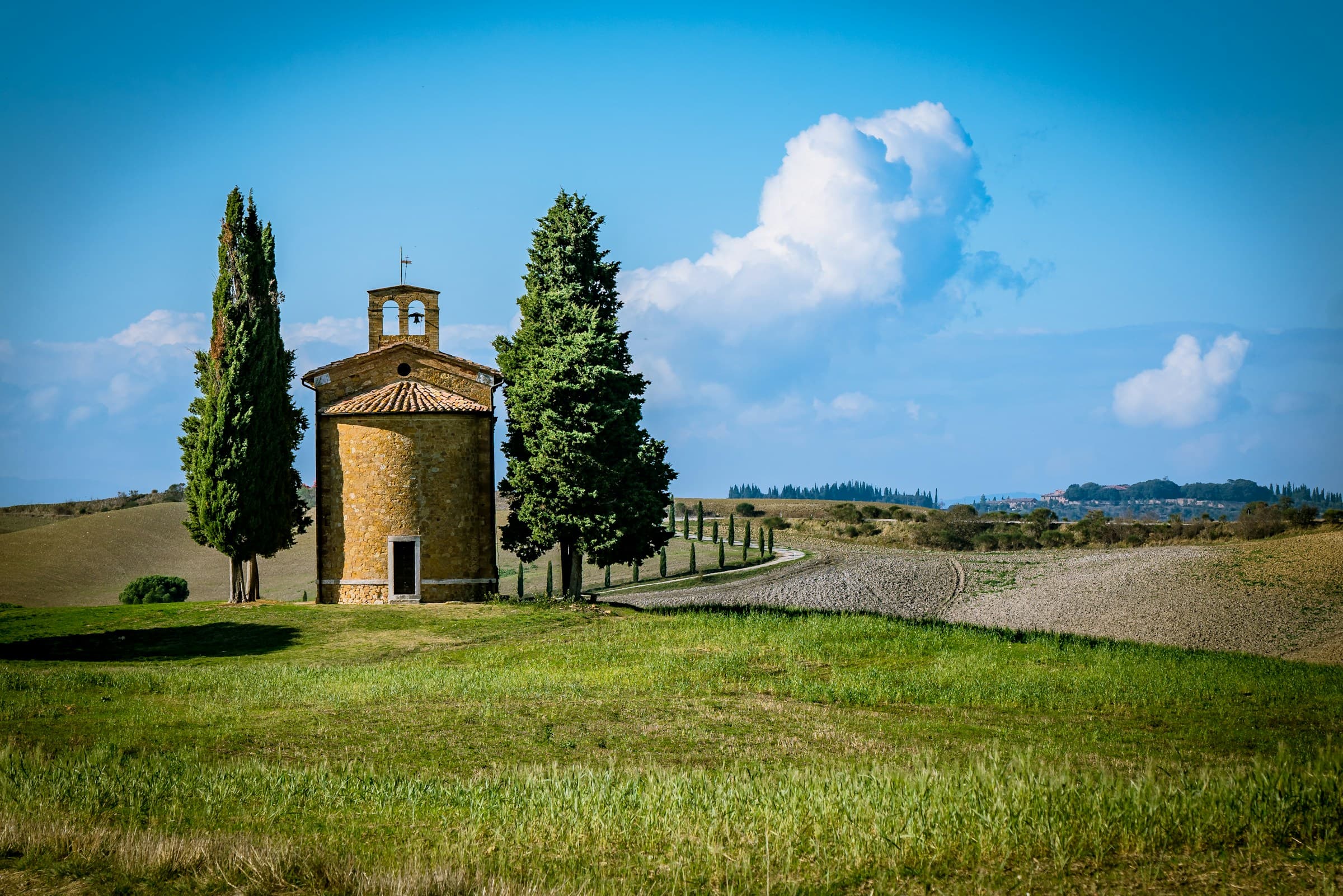
You can also stay in Ravenna and take a day trip to Brisighella, a medieval town in the Apennines. It's one of the places travellers rarely reach, and one of the ones I recommend most.
Q. What about the food etiquette in Bologna specifically?
Do not ask for spaghetti bolognese. It does not exist here. The pasta is tagliatelle, and it is served with ragu, which is a different thing from what most visitors expect. Order the tortellini in brodo at least once, and do not be surprised when it arrives in broth instead of sauce. That is the right way.
What Tourists Miss, and What to Skip
We asked Lucrezia where visitors are missing the point, and where they're wasting a summer day.
Q. What's a place travellers miss that they shouldn't?
If you're staying in Milan, you should definitely visit Lake Como, which is about an hour away. In Emilia Romagna, some underrated spots are Brisighella and the Grotte di Labante.
Q. And somewhere famous that you would call overrated?
Rimini beach in Emilia Romagna. It's very popular with summer visitors, especially young people, but extremely crowded and commercialised.
Q. What's the biggest mistake you see travellers make?
Only going to the famous spots, the ones that are obviously worthy but sometimes overrated. Another mistake is transportation. In the city centre it is not convenient to use a car. But if your itinerary includes day trips in the countryside, renting a car is probably the best idea, since these areas are not really connected by public transport.
When to Come, and What to Eat
Her season is specific, and her food list is long.
Q. What's the best time of year to visit?
Spring is the perfect time to explore this area. The weather is just right, not too cold, not too humid, and everything around, trees, gardens, is bursting with flowers, turning the streets and countryside into a wonderland.
Q. A local food every visitor must try?
In Milan, cotoletta alla milanese, risotto and ossobuco. In Emilia Romagna, Parmigiano Reggiano, Prosciutto di Parma, ragu alla Bolognese, and piadina, the thin flatbread that works as both a lunch and a late-night backup.
Q. Any final advice for visitors at the table?
Eat slowly, and order one fewer thing than you think you can finish. In Milan, the aperitivo is not a drink, it is a social format, and it counts as dinner if you do it properly. In Bologna, the ragu is not bolognese and it is not served with spaghetti. Learn those two things before you arrive, and the waiters will treat you differently.
Lucrezia's Italy is not a single postcard. It is the sequence of them, a risotto in Milan, a plate of tortellini in brodo in Bologna, a medieval village an hour outside either. Take her advice and the country stops feeling like a list and starts feeling like a long table with more friends than chairs.