Rosa's Tuscany: Where to Slow Down Beyond Florence | The Voyage
Share
Rosa's Tuscany: Where to Slow Down Beyond Florence
When Rosa Ricciuli told us that her favourite Tuscan sunset still happens over the Val d'Orcia, we wanted to understand why she is so quietly insistent about leaving Florence behind. We asked her what most visitors miss, and how she would plan a weekend in her region for a friend.
Rosa lives in Tuscany and advises travellers through The Voyage Co. The conversation below has been lightly edited for length and clarity.
A Sense of Tuscany
Rosa does not describe Tuscany like a brochure. She describes it like a place she lives in, and wants visitors to understand before they arrive.
Q. How would you describe Tuscany to a friend, in one sentence?
Tuscany is a region where timeless landscapes, art, and a refined way of living come together to create an experience that feels both authentic and unforgettable.
Q. What do you want people to understand about the region before they arrive?
That it is not a city, and not a list. Florence is one part of it. The hills are another. The villages in the Val d'Orcia are another again. The people who love Tuscany tend to be the people who gave it more than two days.
Q. And the way of life that keeps them coming back?
It is the small rituals. Lunch that takes two hours. A glass of wine at five, not six. The afternoon light on a stone wall. The thing travellers remember later is rarely the museum.
“
The thing travellers remember later is rarely the museum. It is the tempo.
Rosa RicciuliLocal, Tuscany
Where to Start, and What to Skip in Florence
We asked Rosa about the place every visitor already knows, and the place she thinks they shouldn't miss.
Q. What's one place travellers often miss, but absolutely shouldn't?
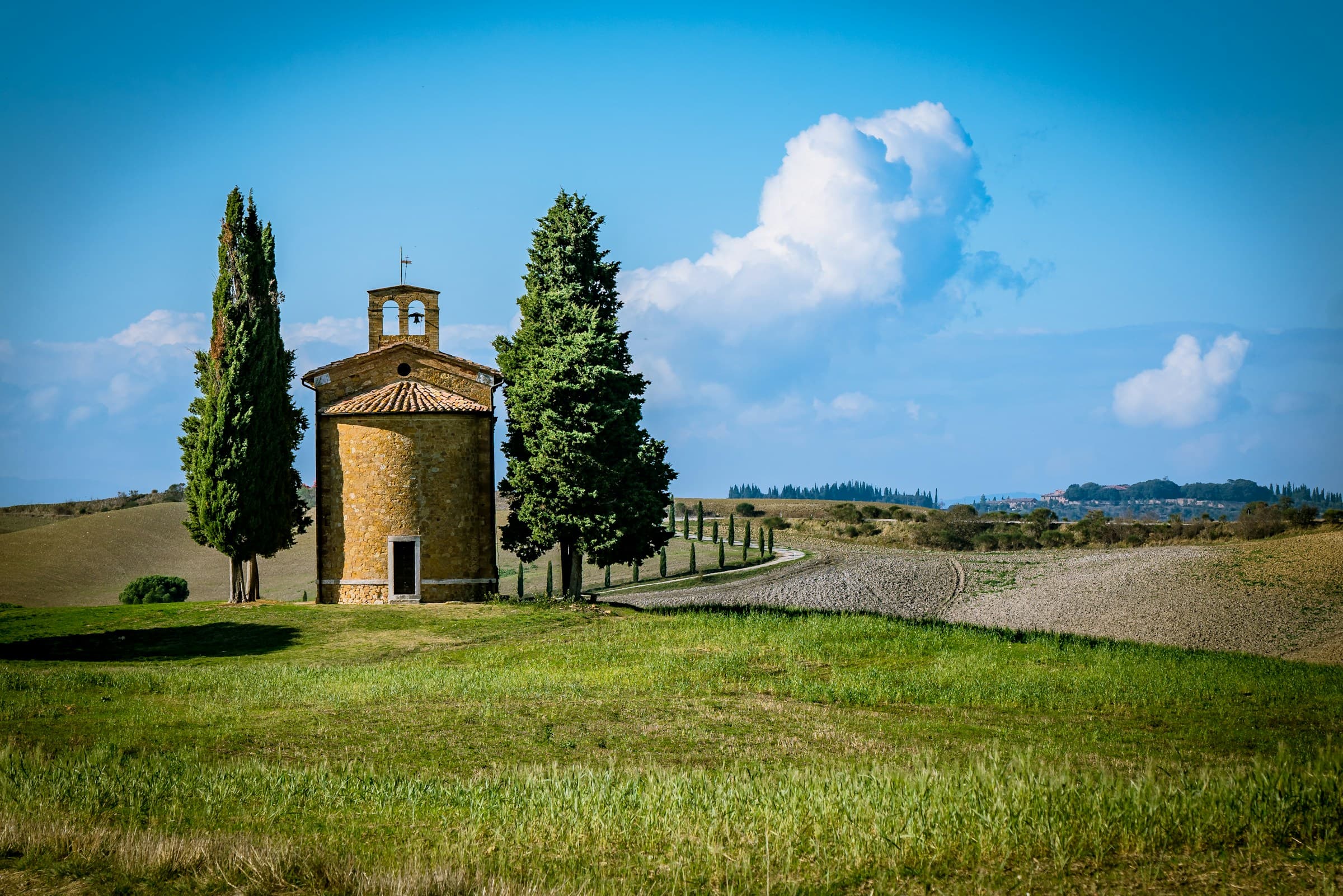
Many miss the Val d'Orcia, but its rolling hills, charming villages, and sunsets are pure Tuscan magic.
Q. Say more about the Val d'Orcia. What draws you back?
It is the landscape most people recognise from films and photographs without realising it. Cypresses on a ridge. Honey-coloured towns like Pienza and Montalcino. The light at six in the evening in May. You can drive it in an afternoon, but you understand it by staying overnight.
Q. And what would you call overrated?
Florence is stunning, but sometimes it feels too crowded. The real Tuscan charm is in the smaller towns and countryside.
Q. So how would you handle Florence, practically?
Give it a day. Do it early, walk intentionally, and then move on. Treat Florence as the opening chapter, not the whole book.
How to Spend 48 Hours in Tuscany
Her weekend plan for a friend is short, deliberate, and ends with a glass of something local.
Q. If someone only had 48 hours in your region, what would you tell them to prioritise?
Spend your first day in Florence exploring art and streets, then head to Chianti or Val d'Orcia for rolling hills, charming villages, and a sunset with a glass of wine from the area.
Q. What does day two look like?
I would keep you in the hills. Chianti if you want vineyards and medieval towns on top of them. Val d'Orcia if you want the wide views and quieter villages. A long lunch somewhere you cannot book online. And an afternoon that is not scheduled.
Q. And what's the mistake you see most often?
Travellers rush through Tuscany, missing the peace of villages, rolling hills, and sunsets in Val d'Orcia.
Q. So, one base or several?
Pick a base and stay. Drive twenty minutes for dinner instead of two hours for a photograph. Tuscany rewards slowness, not kilometres.
When to Come to Tuscany
The shoulder months are her answer, and the reasoning is practical.
Q. What's the best time of year to visit Tuscany?
Spring or early fall. Mild weather, fewer crowds, and the hills, vineyards, and villages look magical.
Q. So roughly when?
April to early June, or mid-September through October. Those are the weeks where wine festivals begin, the olive groves behave, and the light is long enough for a nine o'clock sunset over the hills.
Q. And what should travellers expect at those times?
Green hills in spring, and golden ones in autumn. Fewer coaches. Open restaurants. The towns feel like towns again, not just stages. Bring layers for the evenings, and flat shoes for the cobbles.
Q. And the months you would steer people away from?
Late July and August. The cities are hot, the queues are long, and half of the people who live here have gone to the coast. Even in the countryside, everything slows down in a way that is not romantic, it is just closed. If you can move your dates a few weeks either side, the trip changes entirely.
What to Eat and Drink in Tuscany
Rosa's food list is short, because she wants you to taste two things properly rather than twenty things in passing.
Q. What's a local food every visitor must try?
Don't leave Tuscany without tasting the regional wine and schiacciata. Simple, delicious, unforgettable.
Q. For readers who don't know it, what is schiacciata?
The regional flatbread. You find it in every bakery. Sometimes plain, with olive oil and sea salt. Sometimes split open and filled with mortadella or prosciutto. It costs a euro or two and it is better than most things you will eat at a restaurant.
Q. Any guidance on the wine?
Sangiovese in Chianti, Brunello around Montalcino. Whatever the village grows. I would rather you tried three bottles from the area and a proper lunch than checked off every famous name on a tasting list.
Q. And where should travellers eat?
Not on the main square of the famous towns. Walk three streets in any direction and the quality goes up and the price comes down. The best meal of your Tuscany trip will probably be in a village you had not heard of the night before.
Rosa's Tuscany is not the one on the posters. It is the quieter one, the one that shows up in the last hour before dinner when the hills turn copper and a village square empties to two old men and a dog. Find it once, and it is hard to want anyone else's version.